
Launch & Discovery Guides
Practical guides on launching products, getting discovered, and reaching the right audience - written for founders and developers.
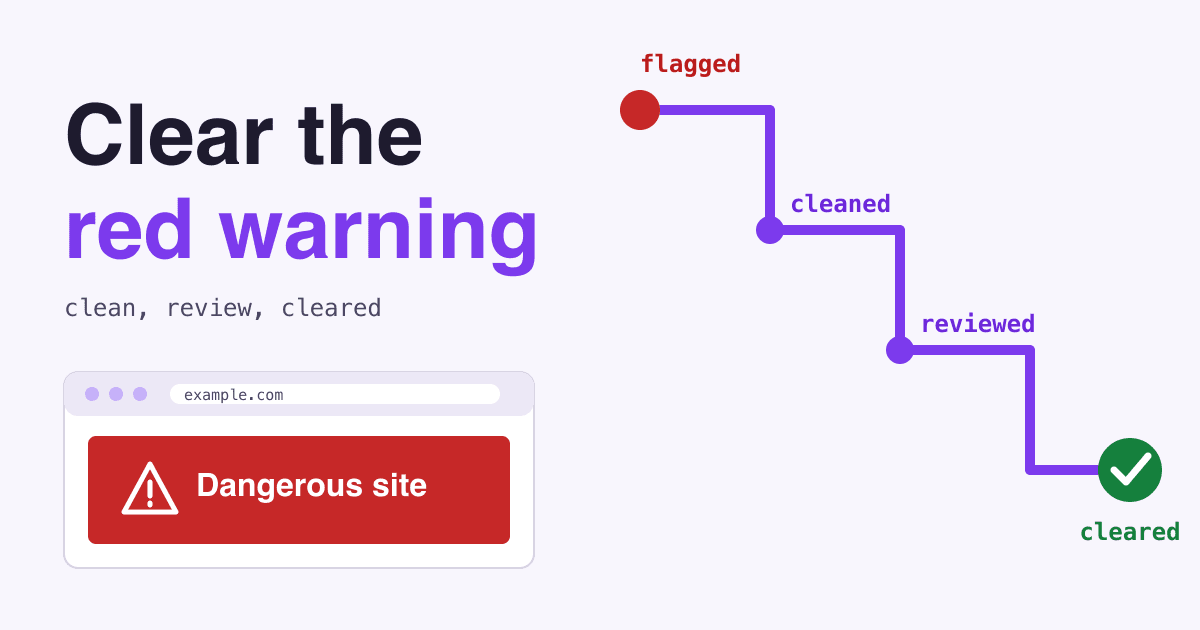
Deceptive Site Ahead on Your Own Website: How to Clear the Red Warning
A red "Dangerous site" or "Deceptive site ahead" warning on your own site means Google Safe Browsing lists it as unsafe. Find the cause, clean the site and ask Google to look again.
SitePatent Editorial Team
More Articles
10 total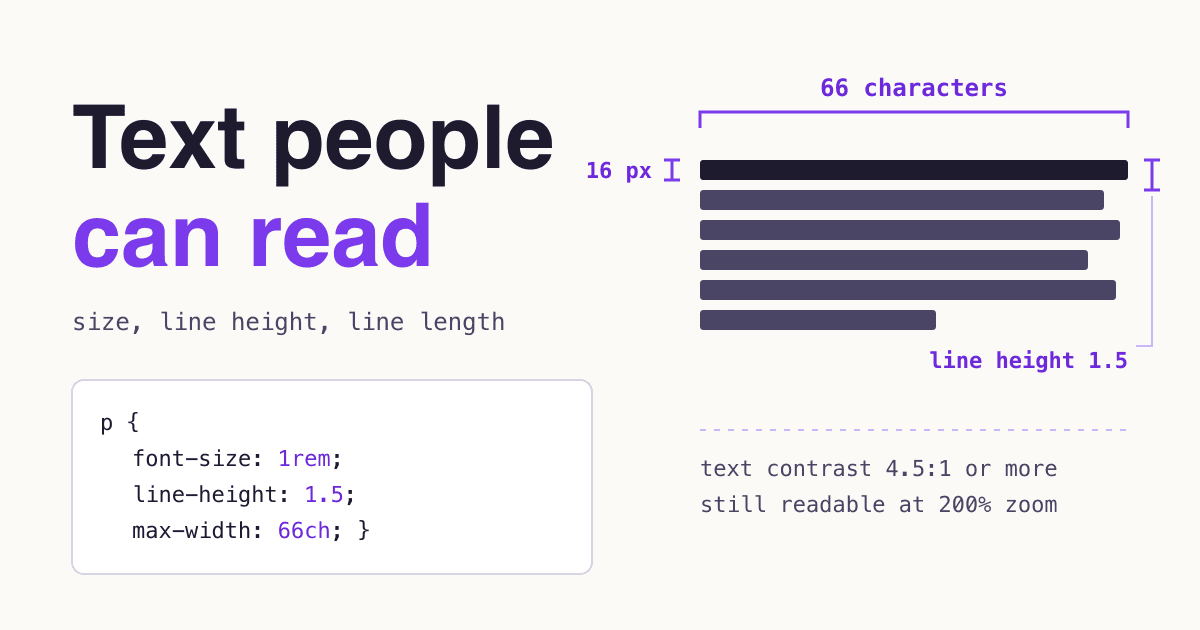
Font Size, Line Height and Line Length: How to Make Website Text Easy to Read
Body text at 16px or larger, a line height of about 1.5, lines of 45 to 75 characters and a contrast of at least 4.5:1, set in rem so the reader can still enlarge it. Where each number comes from, what design systems use, the CSS, and a ten-minute test for your own pages.
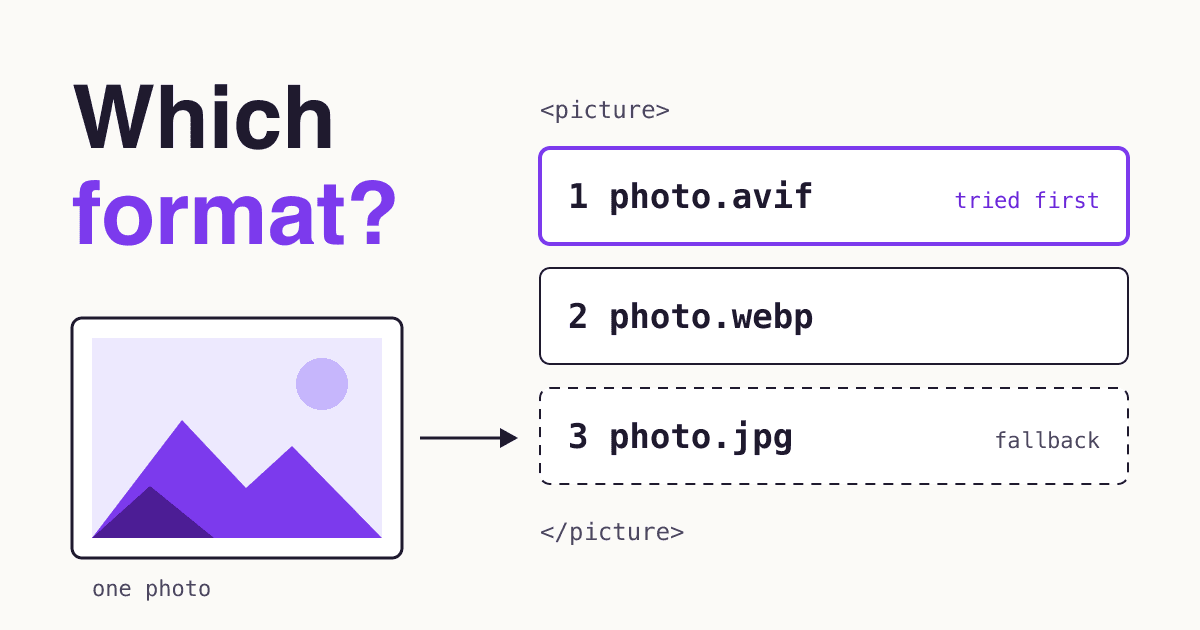
JPEG, PNG, WebP, AVIF or SVG: The Right File Type for Each Picture on Your Site
Photos go out as AVIF or WebP with a JPEG fallback, screenshots as lossless WebP or PNG, logos and icons as SVG, and animations as video instead of GIF. What each format can do, how much smaller the new ones are, what the web uses today, the picture element that serves them, and a check before every upload.
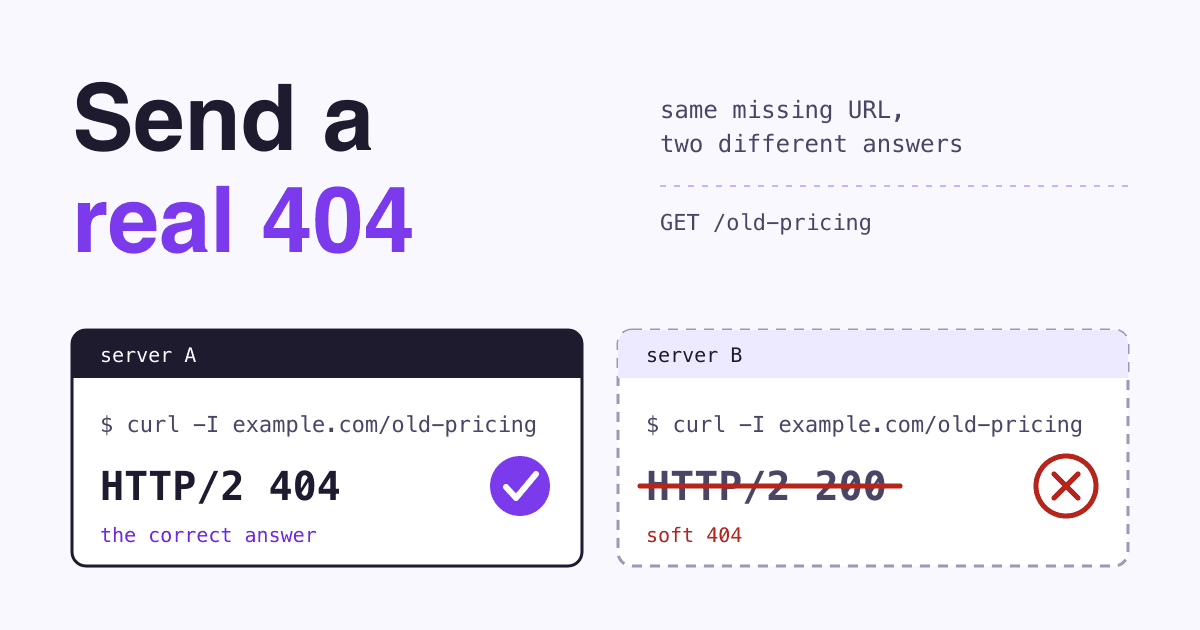
Your 404 Page: The Status Code It Must Send, and What to Put On It
A good "page not found" page does two jobs: it sends HTTP status 404 (or 410) so search engines drop the dead URL, and it shows visitors a way back into your site. What to put on the page, which code to send in each case, the settings to check in Apache, Nginx, Next.js, WordPress, Netlify and Cloudflare Pages, and a 6-point test.
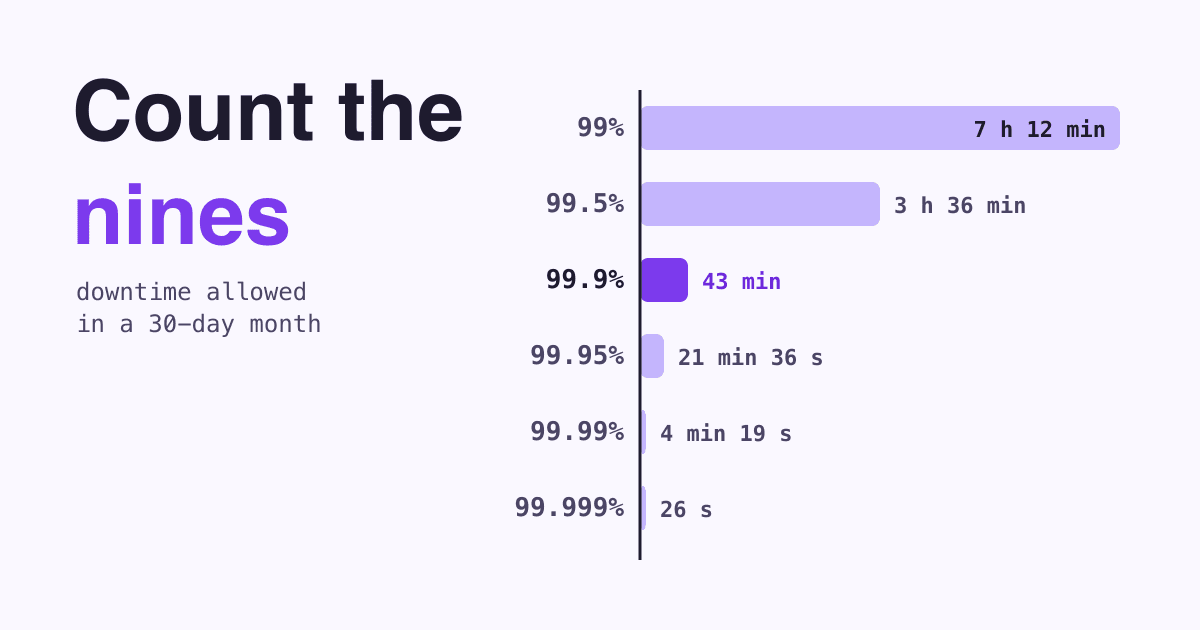
What 99.9% Uptime Really Means: 43 Minutes a Month, and What Your Host Owes You When It Breaks
A host that promises 99.9% uptime may keep your website offline for 43 minutes in a 30-day month and almost 9 hours a year. What each level of nines allows, what six hosting and cloud SLAs pay back when they miss it, what downtime does in Google, and how to measure your own uptime for free.
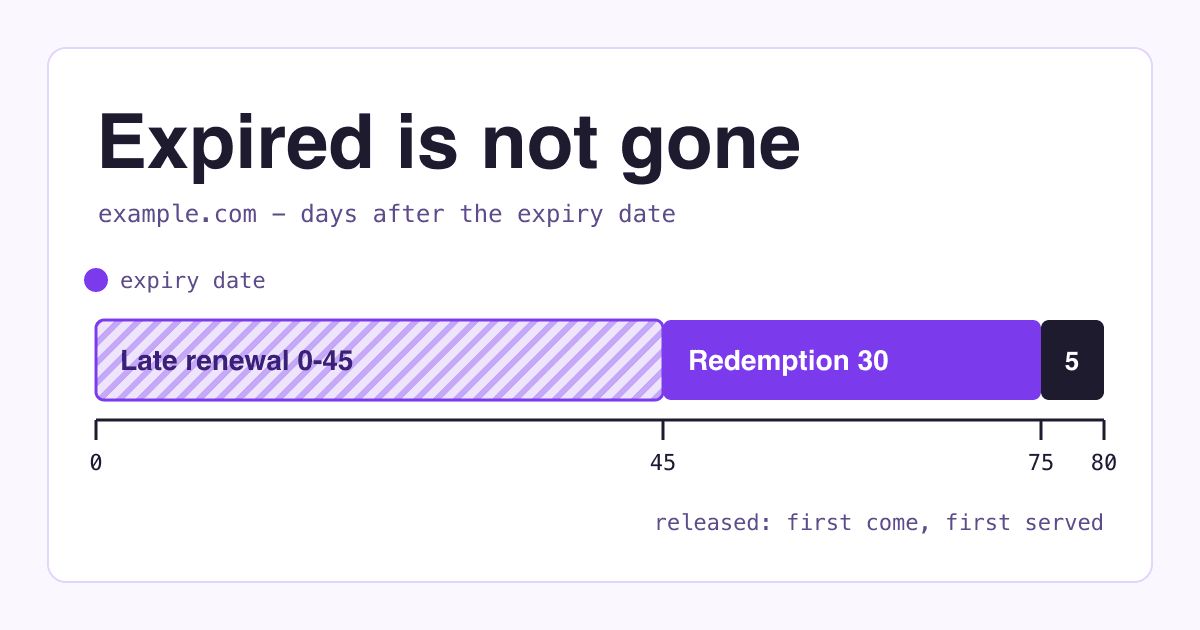
Your Domain Name Expired: What Happens Day by Day, and How to Get It Back
A lapsed .com is not lost on its expiry date. Your registrar may let you renew it, usually for up to 45 days, then you can buy it back for 30 more, and it waits 5 days before anyone else can register it. What breaks in each phase, and how to recover it.
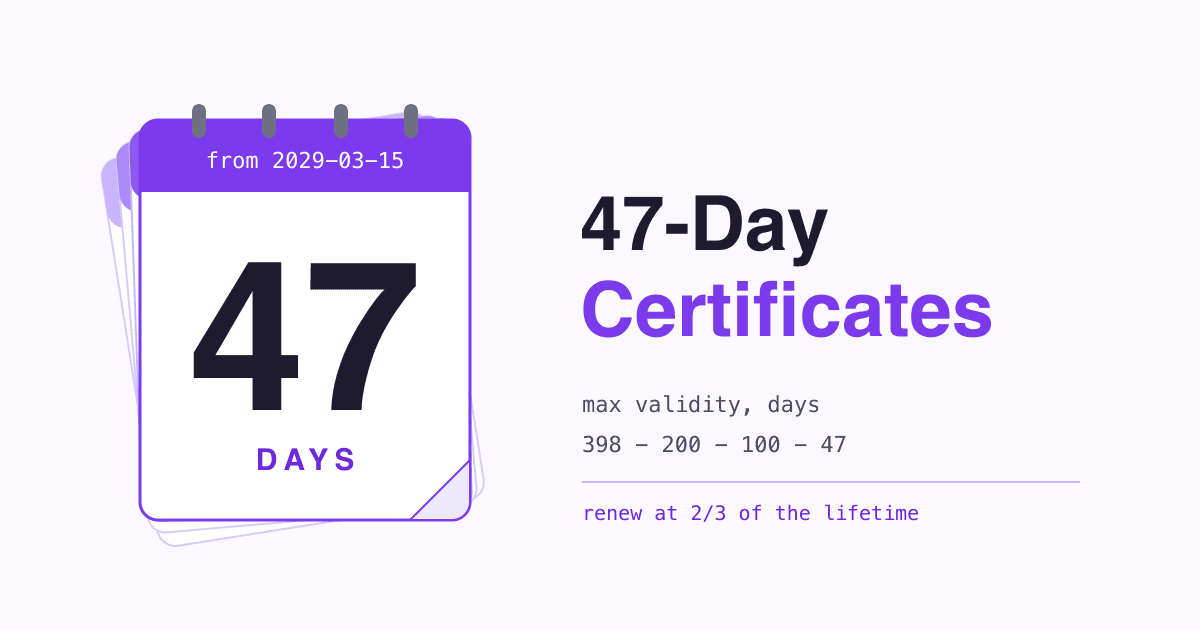
SSL Certificates Now Max Out at 200 Days, and 47 by 2029: A Renewal Plan for Website Owners
Since 15 March 2026 a public SSL/TLS certificate can be valid for at most 200 days; the limit falls to 100 days in 2027 and 47 days in 2029. What changes for your site, how often you will renew, and the seven steps that keep the padlock from lapsing.
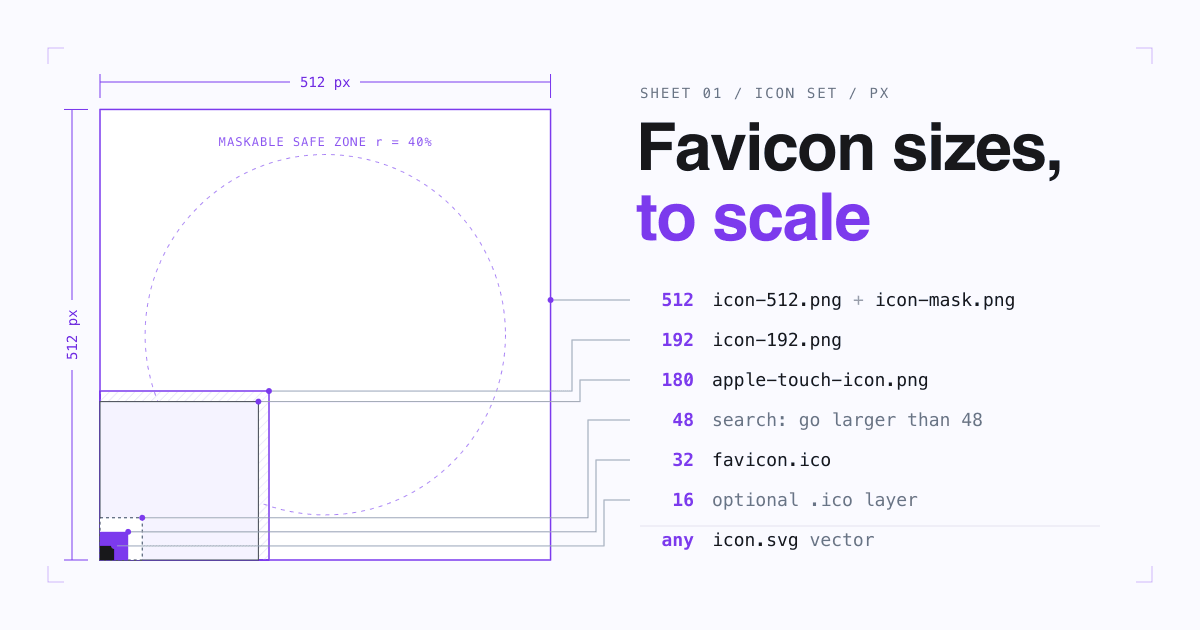
Favicon Sizes: The 3 Files Every Website Needs, and the 3 an App Adds
Which favicon files to make, at which pixel sizes, and the exact HTML that loads them: a 32 x 32 ICO, an SVG and a 180 x 180 Apple touch icon for every site, three manifest PNGs if people can install it, and what Google needs to show the icon in search results.
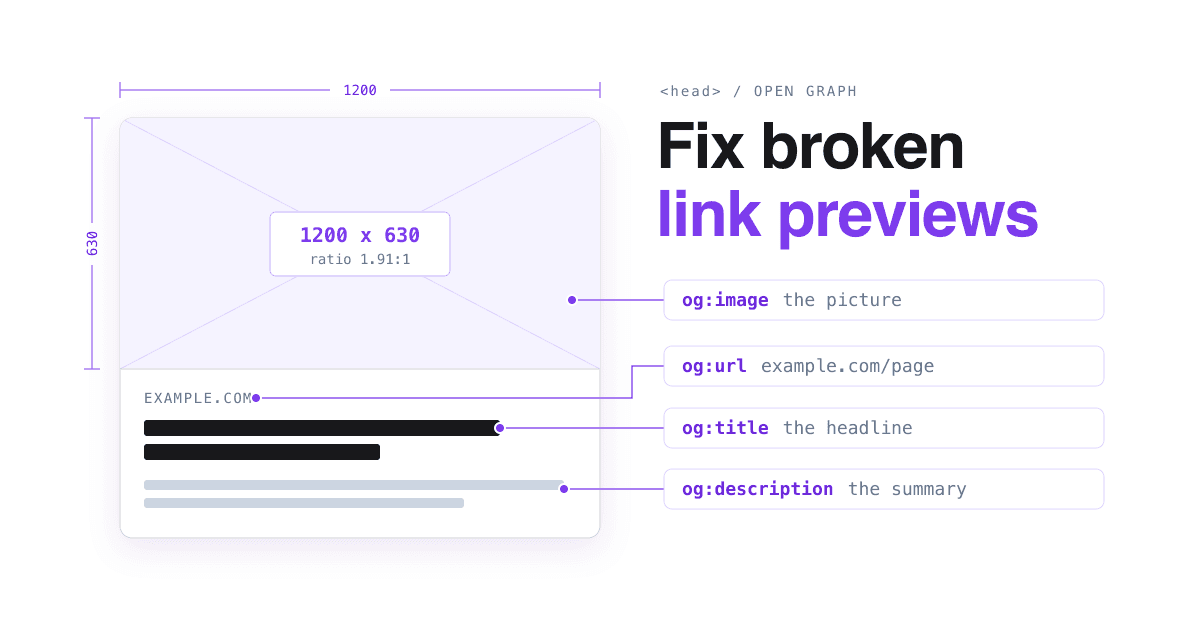
Why Your Shared Link Looks Broken: Open Graph Tags That Fix Link Previews
When someone shares your page in Facebook, LinkedIn, Slack or iMessage, a few lines in your HTML decide whether they see a picture and a title or a bare grey link. Which tags each app reads, the image size that works in all of them, and how to refresh a stale preview.
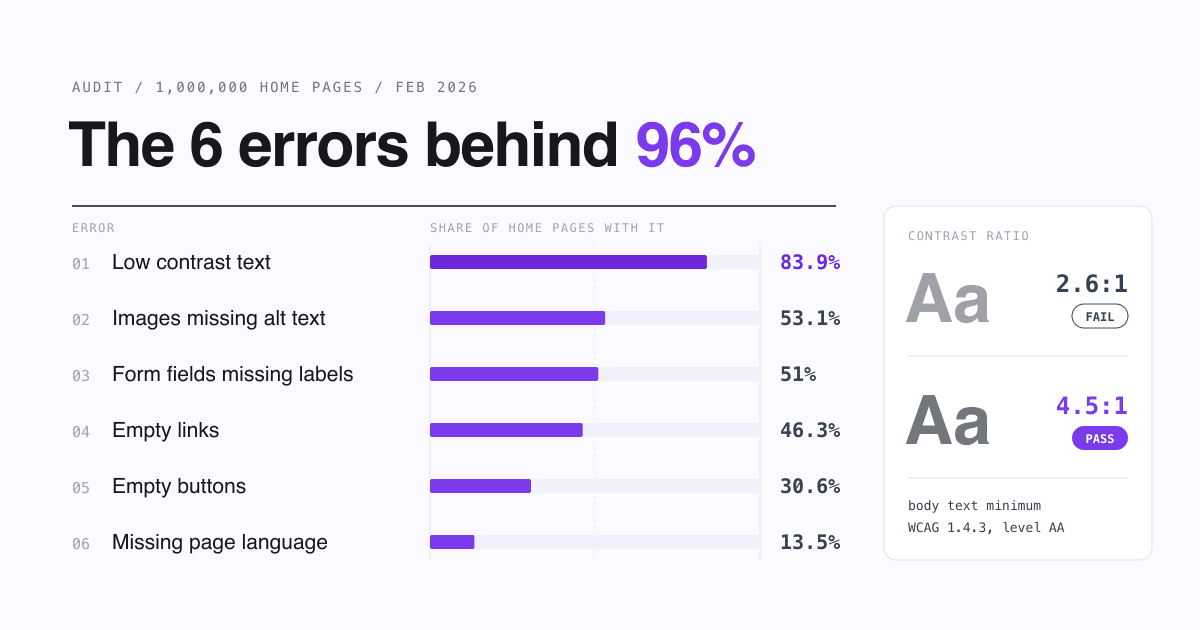
The 6 Website Accessibility Errors Behind 96% of Detected Errors, and How to Fix Each
WebAIM tested one million home pages in 2026 and found 95.9% with detected WCAG failures. Six errors make up 96% of what was detected, and each has a small, concrete fix.